For patients with chronic pain that has persisted for months or years, the question often comes down to this: should I keep managing my pain with medication, or is it time to consider an interventional approach like spinal cord stimulation? At Modern Pain Solutions in Granada Hills, CA , Dr. Jungjae Lim helps patients navigate this important decision with honesty, individualized guidance, and access to the most advanced pain management options available.
The Limitations of Long-Term Medication Management
Oral pain medications — including opioids, NSAIDs, gabapentinoids, and antidepressants — play an important role in pain management, but they come with significant limitations when used as a long-term sole strategy. Systemic medications affect the entire body, not just the site of pain, leading to side effects ranging from cognitive impairment and gastrointestinal issues to hormonal disruption and physical dependence. Over time, many patients develop tolerance to opioids, requiring higher doses to achieve the same level of relief — increasing the risk of dependence and other complications.
A landmark study published in the Journal of the American Medical Association (JAMA) found that opioid therapy was not superior to non-opioid treatment for pain and function outcomes in patients with chronic back and extremity pain, challenging the assumption that opioids are the most effective long-term solution.
How Spinal Cord Stimulation Works
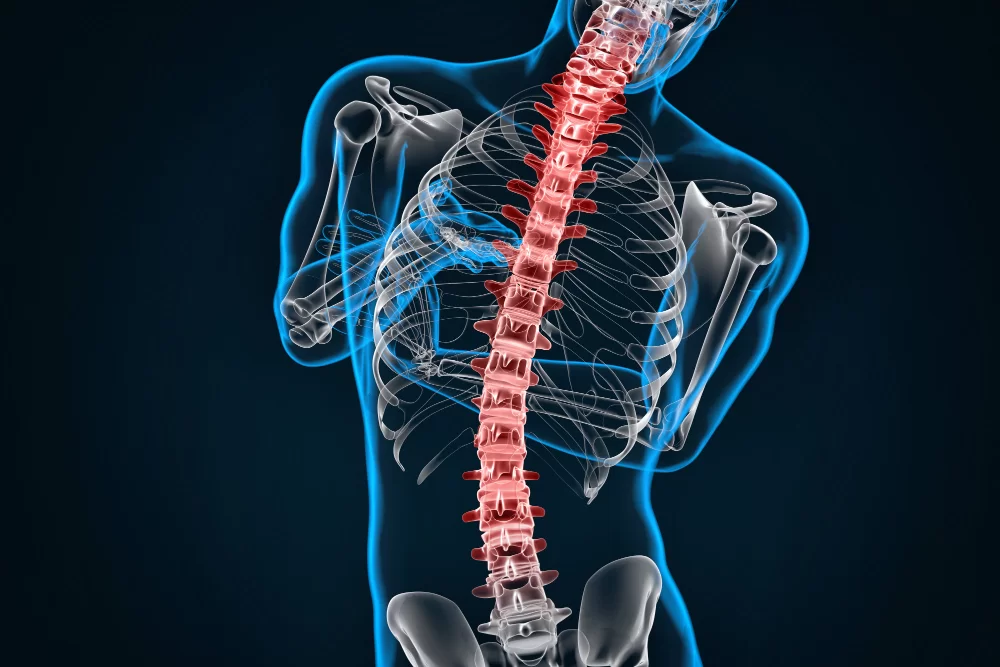
Spinal cord stimulation (SCS) is a form of neuromodulation therapy that uses a small, implanted pulse generator to deliver gentle electrical signals to the spinal cord. These signals interfere with the transmission of pain signals to the brain — effectively reducing or eliminating the perception of chronic pain without the systemic side effects of medication. Newer SCS systems use high-frequency or burst waveforms that provide paresthesia-free pain relief, meaning patients experience pain reduction without any tingling or buzzing sensation.
When Is SCS the Better Choice?
Spinal cord stimulation is particularly well-suited for patients with:
- Failed back surgery syndrome — persistent pain after one or more lumbar procedures
- Complex regional pain syndrome (CRPS)
- Chronic neuropathic leg or arm pain
- Chronic back or neck pain unresponsive to injections and medications
- Patients who want to reduce or eliminate their reliance on opioids
Because SCS involves an implantable device, all patients at Modern Pain Solutions undergo a reversible trial period before permanent implantation. This allows you to experience the benefits of stimulation before making any long-term commitment. If the trial delivers at least 50% pain reduction, permanent implantation is then considered.
Interested in learning whether spinal cord stimulation could be right for you? Call Modern Pain Solutions at (818) 826-4145 or visit our Neuromodulation page to learn more.