PRP Therapy for Accident & Personal Injury in Granada Hills, CA
Platelet-Rich Plasma (PRP) therapy is a powerful regenerative treatment for soft tissue injuries, joint damage, and disc injuries — many of which are directly caused by car accidents and personal injury incidents. At Modern Pain Solutions, Dr. Jungjae Lim offers imaging-guided PRP therapy for accident patients throughout Granada Hills, the San Fernando Valley, and Los Angeles. We accept lien-based cases and provide full documentation for personal injury claims. Call (818) 826-4145 today.
PRP Therapy for Accident-Related Injuries
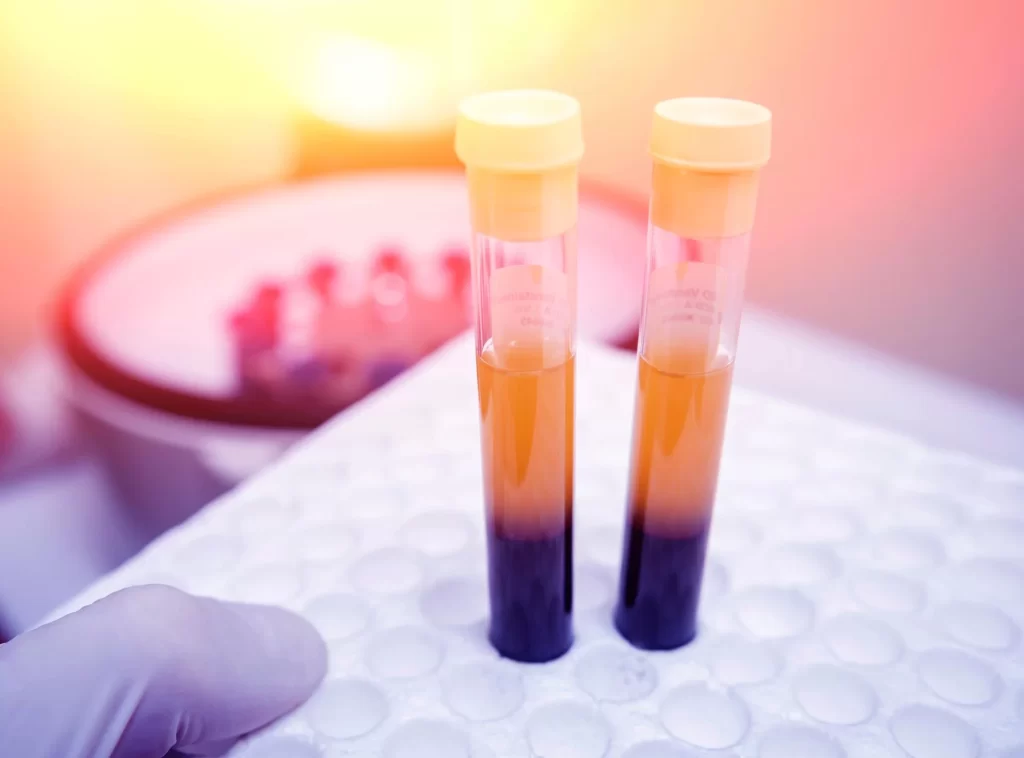
Car accidents and personal injuries frequently cause damage to tissues that have limited natural healing capacity — including spinal discs, tendons, ligaments, and joint cartilage. Corticosteroid injections can reduce inflammation temporarily, but they do not repair structural damage. PRP therapy takes a fundamentally different approach: by concentrating the body’s own healing growth factors and delivering them directly to the injured tissue, PRP stimulates biological repair from within.
At Modern Pain Solutions in Granada Hills, CA , PRP therapy is available for a wide range of accident-related injuries and is particularly valuable in personal injury cases because it provides evidence-based, documented treatment for structural damage that may not be amenable to simple conservative care. All PRP procedures are performed by Dr. Lim personally under imaging guidance and fully documented for personal injury files. We accept lien-based cases — visit our Personal Injury page or call (818) 826-4145.
Accident Injuries Treated with PRP at Modern Pain Solutions
- Cervical and lumbar disc injuries — Annular tears and disc herniations from accident trauma — see our Herniated Disc After Accident page
- Rotator cuff tendinosis and partial tears — Common in bracing and shoulder-impact accidents — see our Shoulder Pain page
- Ligament and tendon injuries — Sprains and partial tears in the spine, knee, hip, and extremities from collision forces
- Knee joint injuries — Including meniscal tears and post-traumatic articular damage — see our Hip & Knee Pain page
- Facet joint soft tissue injuries — Capsular tears and periarticular damage from whiplash and spinal trauma
Frequently Asked Questions — PRP Therapy
Is PRP therapy available on lien for accident patients?
Yes. Modern Pain Solutions accepts lien-based cases for personal injury patients who are candidates for PRP therapy. PRP is available as part of a comprehensive accident injury treatment plan with no upfront cost — payment deferred until case resolution. Call (818) 826-4145 to discuss your eligibility.
How does PRP therapy benefit a personal injury case?
PRP therapy is particularly valuable in personal injury cases because it provides documented, evidence-based treatment for structural soft tissue and joint injuries. Insurance companies sometimes argue that soft tissue injuries require only conservative care. PRP treatment — performed under imaging guidance by a board-certified physician — demonstrates the seriousness of the structural damage and the medical necessity of regenerative intervention. All PRP procedures at Modern Pain Solutions are fully documented in physician-authored clinical notes.
Can PRP treat disc injuries from a car accident?
PRP and intradiscal injection therapies have shown promise for disc annular tears and disc degeneration accelerated by traumatic injury. By delivering concentrated growth factors directly into the damaged disc, PRP stimulates repair mechanisms within the disc tissue. Dr. Lim evaluates each patient individually to determine whether intradiscal PRP is an appropriate treatment for their specific disc injury pattern. See our Herniated Disc After Accident page for more information.
How long does PRP take to work for accident injuries?
PRP works through a biological healing process that takes time. Most patients begin to notice gradual improvement four to eight weeks following injection, with continued improvement over three to six months as tissue repair progresses. The timeline is longer than a cortisone injection but the results tend to be more durable — which matters in personal injury cases where documenting ongoing, significant injury is important. Dr. Lim monitors your progress and adjusts the treatment plan as needed.
Is PRP therapy painful?
Discomfort during PRP therapy is generally minimal. A local anesthetic is applied before the injection to reduce sensation. Most patients experience mild pressure during the procedure and some temporary soreness at the injection site for a few days afterward. Dr. Lim and our team take every measure to ensure patient comfort throughout the procedure at Modern Pain Solutions.
How many PRP sessions are needed for accident injuries?
This depends on the severity and location of the injury and the patient’s response to treatment. Some accident patients achieve meaningful improvement with a single PRP injection, while others benefit from two to three sessions spaced several weeks apart. Dr. Lim will outline a specific PRP treatment plan based on your injury profile at your consultation and document all sessions thoroughly for your personal injury claim.
Is PRP safe?
Yes. Because PRP is derived entirely from your own blood, the risk of allergic reaction or rejection is virtually zero. It is one of the safest regenerative interventions available. All PRP procedures at Modern Pain Solutions are performed by Dr. Lim personally under imaging guidance, ensuring accurate delivery to the target tissue with maximum safety and effectiveness.