Sacroiliac Joint Dysfunction Treatment in Granada Hills, CA
The sacroiliac (SI) joint is a frequently overlooked but significant source of lower back, buttock, and leg pain. Studies suggest that SI joint dysfunction accounts for up to 25% of chronic low back pain cases — yet it is commonly misdiagnosed as lumbar disc or facet joint pain. At Modern Pain Solutions, Dr. Jungjae Lim is experienced in accurately diagnosing SI joint pain and delivering targeted treatments that provide meaningful, lasting relief.
What Is Sacroiliac Joint Dysfunction?
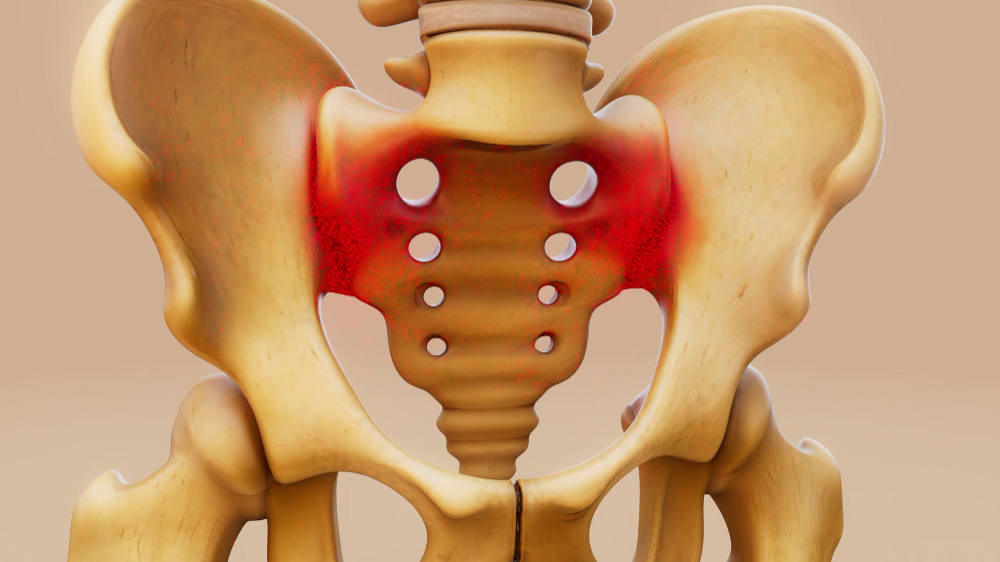
The sacroiliac joints are located at the base of the spine on either side, connecting the sacrum (the triangular bone at the bottom of the spine) to the iliac bones of the pelvis. These joints bear the weight of the upper body and are subject to significant stress during standing, walking, and movement. SI joint dysfunction occurs when the joint becomes inflamed, hypermobile (too much movement), or hypomobile (too little movement), producing pain that can be difficult to distinguish from lumbar disc or nerve pain.
Pain from SI joint dysfunction is typically felt in the lower back, buttock, and sometimes the groin or upper leg — and may be aggravated by prolonged sitting, standing, climbing stairs, or rolling over in bed. Common contributing causes include pregnancy and childbirth, leg length discrepancy, prior lumbar fusion surgery, trauma, and inflammatory arthritis such as ankylosing spondylitis. At Modern Pain Solutions in Granada Hills, CA , accurate diagnosis — including fluoroscopic-guided diagnostic injection — is the essential first step before treatment.
SI Joint Treatments at Modern Pain Solutions
Dr. Lim offers SI joint injections under fluoroscopic guidance for both diagnostic confirmation and therapeutic relief, as well as radiofrequency ablation of the lateral branch nerves supplying the SI joint for longer-lasting relief — part of our comprehensive injection therapy services. For patients with structural instability unresponsive to injections, minimally invasive posterior SI joint fusion is available through our MIS program. For SI pain related to a personal injury, see our Personal Injury page. Call (818) 826-4145 to schedule your evaluation.
Frequently Asked Questions About Sacroiliac Joint Dysfunction
Where is the sacroiliac joint and why does it cause back pain?
The sacroiliac joints sit on either side of the base of your spine, where the sacrum meets the iliac bones of the pelvis. They are large, weight-bearing joints with relatively limited motion, stabilized by strong ligaments. When the SI joint becomes inflamed, too loose, or too stiff — due to injury, pregnancy, leg length differences, or degeneration — the resulting pain is typically felt in the lower back, buttock, and sometimes the groin or upper thigh. Because SI joint pain closely mimics lumbar disc and nerve pain, it is frequently misdiagnosed.
How is SI joint dysfunction diagnosed?
Clinical diagnosis of SI joint dysfunction is based on the pattern of symptoms, a physical examination using specific provocative tests, and a patient history that identifies relevant risk factors. However, a definitive diagnosis typically requires a fluoroscopic-guided SI joint injection using local anesthetic. If the injection significantly reduces your pain, this confirms the SI joint as the primary pain source. Dr. Lim uses this precise diagnostic approach to ensure accurate diagnosis before recommending a treatment plan.
What does SI joint pain feel like?
SI joint pain is typically felt as a dull or sharp ache in the lower back — usually on one side — that extends into the buttock and sometimes the groin, hip, or upper thigh. It is often aggravated by prolonged sitting or standing, walking, climbing stairs, rising from a chair, and rolling over in bed. The pain may be confused with sciatica if it radiates into the leg, though true SI joint pain rarely travels below the knee. Dr. Lim will differentiate SI joint pain from other spinal conditions during your evaluation.
Can SI joint dysfunction be treated without surgery?
Yes. The vast majority of SI joint dysfunction patients respond well to non-surgical treatments. At Modern Pain Solutions, SI joint injections under fluoroscopic guidance can provide both diagnostic confirmation and direct therapeutic relief. Radiofrequency ablation of the lateral branch nerves supplying the SI joint can provide longer-lasting relief — often six months to a year or more. Minimally invasive SI joint fusion is reserved for patients with significant structural instability who have not responded adequately to injection-based treatments.
Who is most at risk for sacroiliac joint dysfunction?
SI joint dysfunction is more common in women than men, partly due to the effects of pregnancy and childbirth on pelvic ligament laxity. Other risk factors include a prior lumbar spinal fusion (which transfers stress to adjacent SI joints), leg length discrepancy, inflammatory arthritis conditions such as ankylosing spondylitis, and traumatic injury to the pelvis or lower back. Athletes and individuals with jobs involving prolonged standing or uneven loading may also be at elevated risk.
How long does relief last from an SI joint injection?
The duration of relief from an SI joint corticosteroid injection varies by patient and condition severity, but typically lasts several weeks to a few months. For longer-lasting results, Dr. Lim may recommend radiofrequency ablation of the lateral branch nerves — a procedure that can provide relief lasting six months to more than a year by deactivating the specific nerves transmitting pain from the SI joint. Dr. Lim will discuss the most appropriate treatment sequence for your individual case.
Can a car accident or fall cause sacroiliac joint dysfunction?
Yes. Direct trauma to the pelvis or a sudden, forceful impact — such as landing hard on one leg or being involved in a side-impact collision — can strain or destabilize the SI joint ligaments, triggering dysfunction and chronic pain. If your SI joint pain began following a personal injury or accident, Modern Pain Solutions provides both expert treatment and thorough medical documentation. We accept lien-based cases — visit our Personal Injury page for more information.